A quality sleeping bag can be the difference between a restful night and a miserable one on the trail. Whether you’re planning a weekend camping trip or a multi-day backpacking adventure, choosing the right sleeping bag will improve your comfort, recovery, and overall outdoor experience.
Pick the Right Temperature Rating
The first thing to consider is the temperature rating. A sleeping bag should be suitable for the coldest conditions you expect to encounter. Many experienced backpackers recommend selecting a bag rated slightly lower than the forecasted nighttime temperature for added comfort and safety.
Down vs. Synthetic Insulation
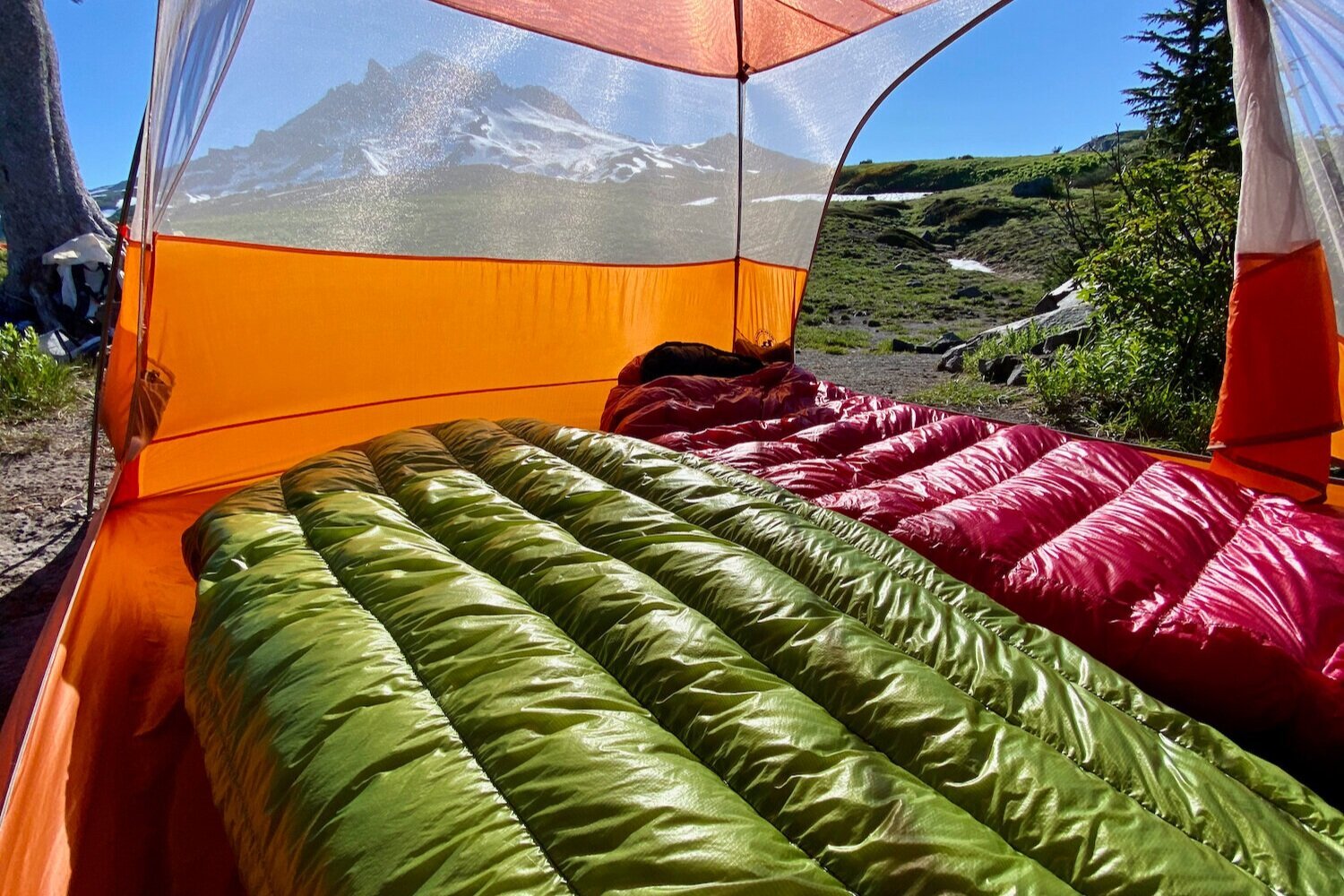
Down insulation is lightweight, highly compressible, and offers excellent warmth for its weight, making it a favorite for long-distance backpacking. However, it loses insulating power when wet unless treated.
Synthetic insulation performs better in damp environments, dries faster, and is generally more affordable, though it tends to be heavier and bulkier. Your choice depends on your climate, budget, and backpacking style.
Weight and Packability Matter
Every ounce counts when carrying your gear all day. Lightweight sleeping bags save space and reduce pack weight without sacrificing comfort. If you’re covering long distances or tackling challenging terrain, investing in a compact sleeping bag is well worth it.
Don’t Overlook Comfort
Features like a well-designed hood, draft collar, smooth zipper, and roomy fit can make a noticeable difference in sleep quality. Side sleepers may prefer a roomier bag, while ultralight hikers often choose mummy-shaped designs for maximum warmth and efficiency.
Final Thoughts
The best sleeping bag is the one that matches your adventures. Consider where you’ll camp, the temperatures you’ll face, and how much weight you’re willing to carry. A carefully chosen sleeping bag will keep you warm, comfortable, and ready for the next day’s miles, making every night outdoors something to look forward to.